
Holiday Spending Made Smarter and Simpler with BDO Pay

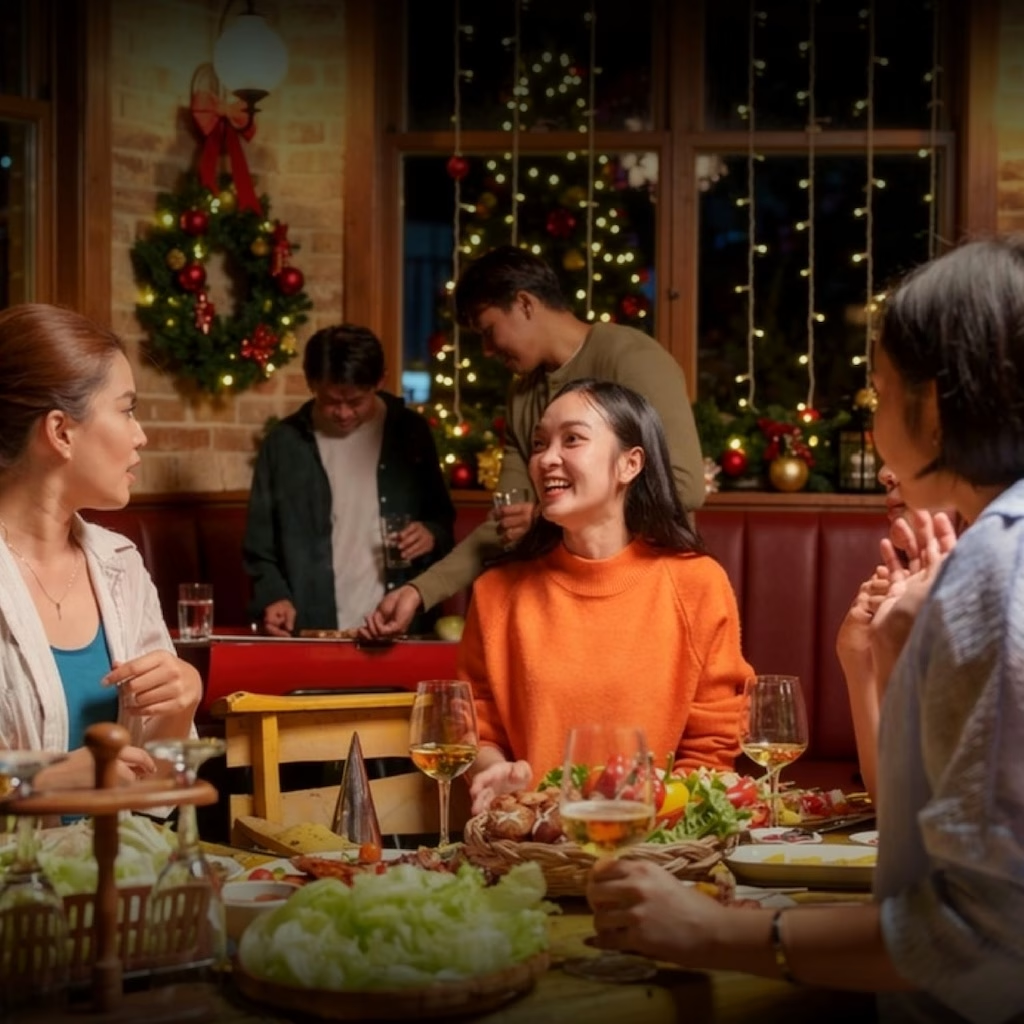
The “BER” months mark the start of the country’s most anticipated holiday season. As families prepare for gift shopping and festive celebrations, making every peso count becomes important when planning meaningful reunions to create lasting memories.

With expenses likely to pile up, BDO Pay helps Filipinos stretch their budget by offering free money transfers, seamless QR payments, and bill payments without extra charges. It’s your reliable and secure everyday payment app for all holiday transactions, from shopping to settling bills, and even sending Aguinaldo.
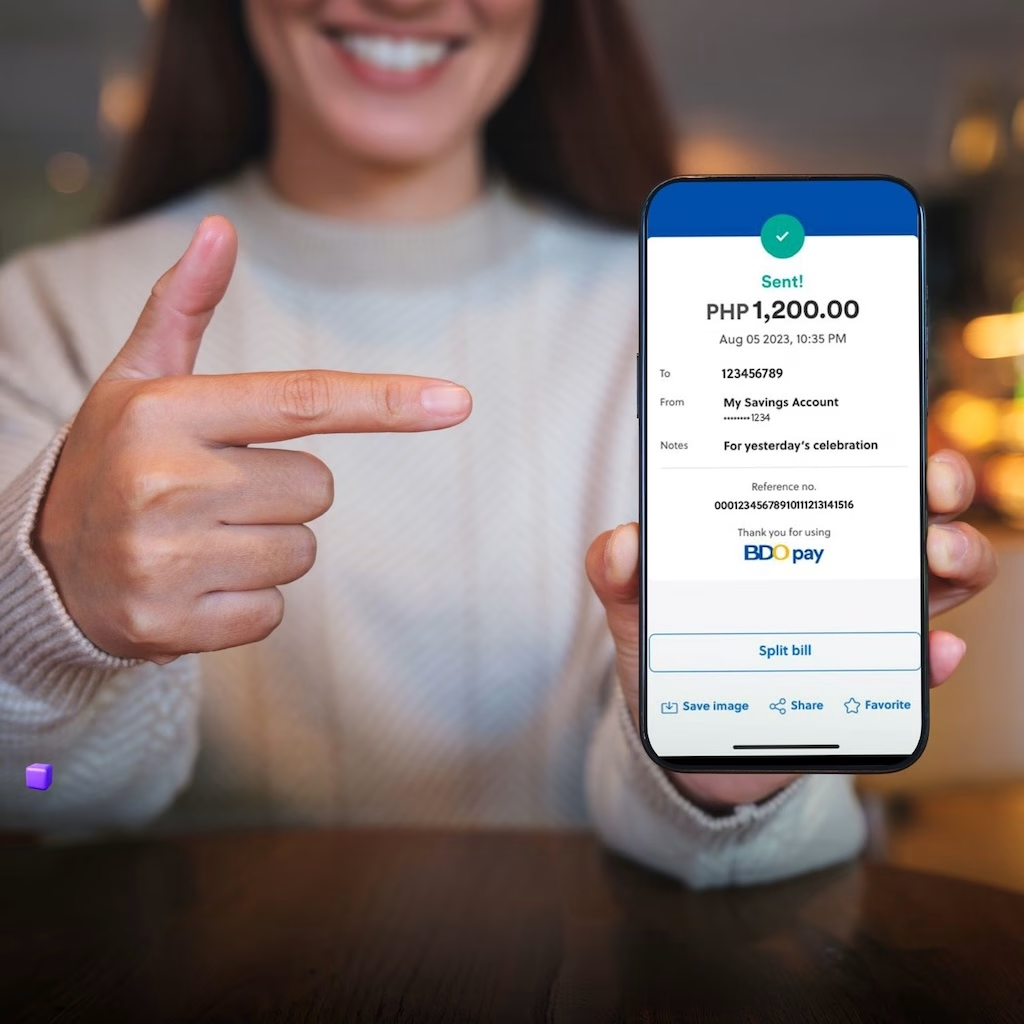
With BDO Pay, enjoy convenient, secure, and no-fee transactions throughout the holidays—and beyond.

Your all-in-one holiday payment app

The season means more gatherings, more purchases, and more expenses. BDO Pay keeps transactions simple, secure, and cost-efficient, so you can focus on celebrations instead of fees.

    • Pay instantly with no fees for all transactions. Scan any QRPh code to pay directly from your BDO account or debit card, or choose Scan to Pay with your BDO credit card using the BDO Pay POS terminal.
    • Send gifts without fees. Send Aguinaldo to inaanaks or split expenses with relatives at no cost. With BDO Pay’s Send Money feature, you can transfer funds to BDO accounts, other banks, and e-wallets for free using an account number, QR code, or mobile number.
    • Stay on top of bills. Settle dues to over 2,200 billers, like electricity, transportation, water services, and telecommunications, all without fees. Amid the holiday rush, pay on time without lining up or juggling multiple apps, and enjoy BDO Pay’s all-in-one convenient platform.

Easy access for first-time users

For those who have yet to discover BDO Pay, there’s never been a better time to start.

Opening a basic account through the BDO Pay app is quick and hassle-free. Customers can open an account in just a few minutes using only one valid ID, such as a passport or driver’s license, with no initial deposit or balance maintenance required, making banking accessible to more Filipinos.

BDO Pay also makes everyday transactions effortless and secure. Easily collect shared expenses with Request Money, access installment offers for big purchases, and stay protected with instant card lock for your BDO Credit and Debit Cards whenever needed.

This season of giving, BDO Pay Mo Na!

Holiday spending is in full swing, but managing your everyday payments can be hassle-free. With BDO Pay, you have everything you need in one easy-to-use app that lets you spend smart, enjoy the festivities, and make your every peso count.

Download BDO Pay today from the App Store (iOS), Google Play Store (Android), or Huawei AppGallery (HarmonyOS).
 

11 ASEAN Member States and ASEAN Partner Countries in One Immersive Exhibition in Manila on November 10 to 12, 2026

“Way of the Weave,” the central theme of the ASEAN Trade Expo 2026, will bring the cultures, craftsmanship, and enterprises of ASEAN countries and Southeast Asian partners to Okada Manila from November 10 to 12, 2026, as one of the Philippines’ ASEAN Chairship flagship events.

For three days, Manila will become a meeting point for ASEAN’s artisans, women entrepreneurs, cultural industries, buyers, investors, and government leaders, creating a space where heritage is not simply displayed but also connected to markets and new opportunities.

The exhibition is expected to bring together more than 200 ASEAN women-led enterprises and cultural industry participants and attract international buyers, investors, trade ministers, and regional decision-makers.

Where cultures meet, and business begins

The regional showcase allows each ASEAN country, including Southeast Asian country partners, to showcase through country booths their nation’s products and enterprises, reflecting their character, creativity, and economic potential. To date, leading the country booth exhibition are the Philippines and Singapore, each with a 24 sq meter full country setting.

Visitors can explore textiles, woven traditions, handicrafts, cultural products, local goods, and women-led enterprise offerings.

The Philippine Booth Tells Its Story Through the Weave

The Philippines is home to generations of indigenous weaving traditions, each carrying its own language of color, technique, identity, and community. At the Philippine showcase, visitors will see top weaves represented by the island winners of the Amazing Weaves Distinction Awards 2026, along with handicrafts and other products that showcase the best of Philippine craftsmanship and creativity.

Among the Philippine traditions that will be highlighted are the T’nalak of the T’boli, Yakan of Basilan, and Inabel of the Ilocos, alongside weaving traditions from Luzon, Visayas, Mindanao, and BARMM. A highlight is the Aklan pina, a notable handloom weaving officially recognized by the UNESCO Intangible cultural heritage of the Unity.

These pieces are more than beautiful displays. They embody knowledge shared across generations, communities relying on their craft for livelihood, and enterprises expanding from local to global markets. This is the story the Philippine booth brings to the ASEAN stage: that cultural heritage can be both a source of identity and a source of economic opportunity.

The top weaves at the Philippine showcase booth are mainly the works of winners from the Amazing Weaves Distinction Awards 2026, a recognition mounted in partnership with the Women’s Business Council Philippines, GalingPook Foundation, Department of Trade and Industry, Philippine Commission on Women, DOST – Philippine Textile Research Institute, and TESDA.

A shared future, woven together

Ultimately, the Way of the Weave: ASEAN Trade Expo 2026 is envisioned not simply as a trade exhibition but as a meeting point where ASEAN’s diverse cultures, enterprises, and opportunities come together to create stronger connections across borders.

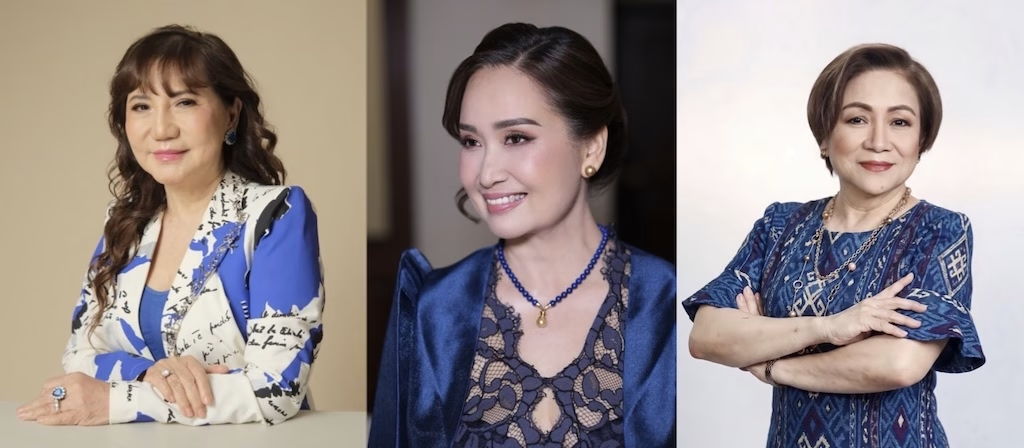
Led by women entrepreneurs, PCW Commissioner Rosemarie Rafael, concurrent Chairperson and Founder of Airspeed Group of Companies, with Myrna Yao as Co-Chair, CEO of Richprime Global Inc. and concurrent PCW Commissioner, along with Dr Karen De Asis, a 2025 ASEAN Women Entrepreneur (AWEN) awardee, founder of MKS Marketing Consulting, who represented the Philippines for her advocacy of helping family businesses develop and build strong brands that continue to become category-dominant market leaders or challengers through generations.

The ASEAN Trade Expo 2026 invites ASEAN member countries to showcase their nation’s weaves, as well as local and international visitors to experience the region’s products, stories, and possibilities. There will be free visitor registration and business matching available on an opt-in basis. More than an exhibition, Way of the Weave seeks to leave visitors with a simple proposition: that when ASEAN’s people, enterprises, heritage, and ambitions are woven together, the region’s shared future becomes stronger, more connected, and more open to the world.

Way of the Weave: ASEAN Trade Expo 2026 is organized with WomenBizPH, the Philippine Country Local Organization of the ASEAN Women Entrepreneurs’ Network under ASEAN-BAC Philippines. For partnership, exhibition, and event inquiries, the ASEAN Trade Expo 2026 Secretariat may be reached at partners@aseantradeexpo.com or womenbizph.secretariat@gmail.com, or by phone at +63 917 126 3211.

More information is available at www.womenbiz.ph.

The Hair They Came For: Why Asian Hair Needs a Different Kind of Care

We’ve gotten pretty good at reading skincare labels—checking ingredients, understanding what our skin needs, and choosing products accordingly. Now, that same level of care is extending to hair, as consumers become more mindful of what goes into their haircare products and how those choices affect their hair health.

A 2025 study by the Journal of the Korean Society of Cosmetology found that consumers’ perceptions of hair-care products containing natural extracts can influence their purchasing behavior, reflecting a growing interest in what goes into the products we use. But when it comes to hair, the conversation goes beyond the bottle. It also starts with understanding the hair itself.

That was part of the conversation when Tints of Nature Managing Directors Vicki Borley and Katharine Crew visited the Philippines. With years of experience developing and working with products for different hair types, their visit offered an opportunity to look more closely at the diversity of Asian hair—from its different textures and structures to the ways it can respond to color and care.

Asian Hair Has More Than One Story

There’s no single definition of Asian hair. While it is often associated with straighter textures and relatively thick strands, a 2025 multinational study found variation in characteristics such as hair thickness, dryness, damage, and curl pattern across populations.

Hair can differ in strand diameter, texture, density, porosity, and the shape of the hair fiber—from fine, straight strands to thicker, more textured hair. Its history also matters: coloring, bleaching, heat styling, and environmental exposure can all change the hair’s condition and how it responds to further treatment.

“There are a lot of different textures and types of hair within Asian hair, so it’s important not to treat it as one category. Understanding the individual hair and how it responds to color is key. Whether the hair is straight, thick, fine, or previously treated, the approach needs to consider its condition to achieve the best result. We very much believe in an approach that works effectively across all hair types,” said Vicki Borley, Professional Sales & Co-Managing Director of Tints of Nature.

Think of Color as Part of the Care Routine

That understanding can also change how consumers approach hair color. As they become more ingredient-conscious with the products they put on their bodies, including their hair, consumers are looking beyond the immediate result and paying closer attention to what comes into contact with their hair and scalp. This becomes especially relevant for hair that has already been exposed to bleaching, straightening, heat styling, or other treatments.

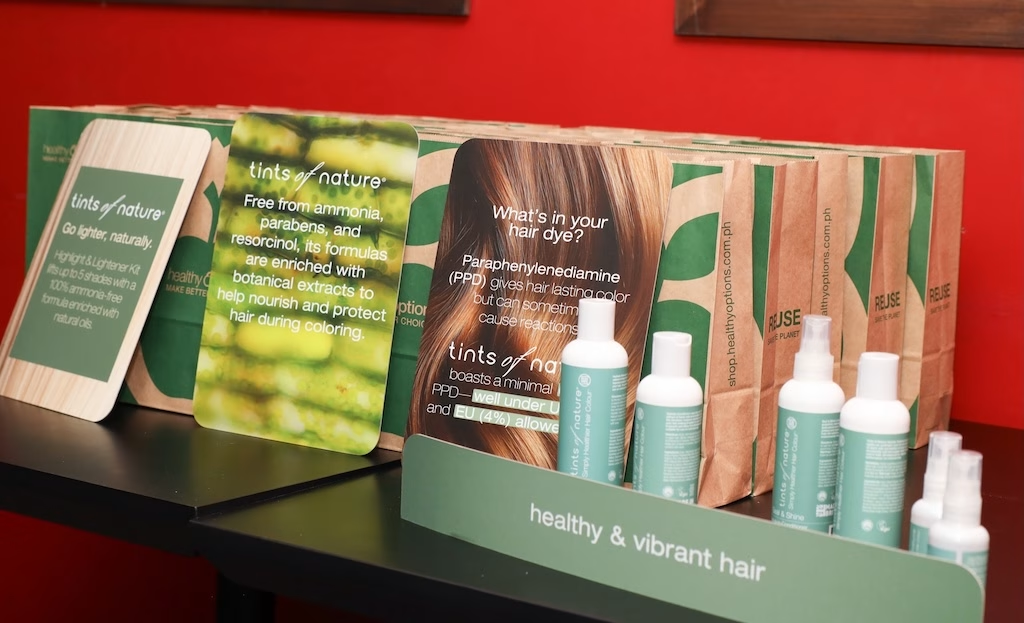
Tints of Nature takes this approach through formulas made with 95% naturally derived ingredients, while its permanent hair color contains 75% certified organic ingredients. Its permanent colors are also ammonia-free and resorcinol-free, with the lowest levels of PPD in permanent hair colors, while its henna range contains zero PPD. The range is vegan, cruelty-free, and dermatologically tested.

Color and aftercare are also treated as part of the same process, with products such as the Hydrate or Structure Treatment, Hydrate Shampoo, and Hydrate Conditioner supporting hair care before and after coloring.

“Because we have a much gentler color system, we do have to think about how we approach coloring the hair a little differently. It’s not just about putting the color on and getting the result—it’s also about preparing the hair properly and caring for it afterwards. When you take that extra care, you can still achieve beautiful, shiny, professional results,” Borley added.

Your Hair Didn’t Get the One-Size-Fits-All Memo

The takeaway is simple: know your hair before you color it. Most importantly, make care part of the coloring process rather than an afterthought.

This is also why Healthy Options carries Tints of Nature. Its approach to hair color aligns with their broader commitment to offering products that support healthier lifestyles without compromising effectiveness. Tints of Nature combines salon-quality color with conscious formulations and botanical extracts designed to nourish and protect hair during coloring.

“At Healthy Options, we look for products that reflect the same standards we believe in—ingredient transparency, conscious formulations, and a commitment to long-term wellness alongside beauty results. Tints of Nature brings those values together through its use of certified organic and naturally derived ingredients, its vegan and cruelty-free credentials, and its focus on hair and scalp health. It allows our customers to make better choices without compromising on performance,” said Romy Sia, Managing Director of Healthy Options.

After all, beautiful hair isn’t about following one formula. It’s about understanding what makes your hair yours—and choosing color and care that work with it. For Asian consumers, particularly in the Philippines, that means celebrating the range of textures and structures that make Asian hair unique, while giving each one the thoughtful care it deserves.


Beauty + Health & Wellness Manila Celebrates 10 Years of Defining Self-Care

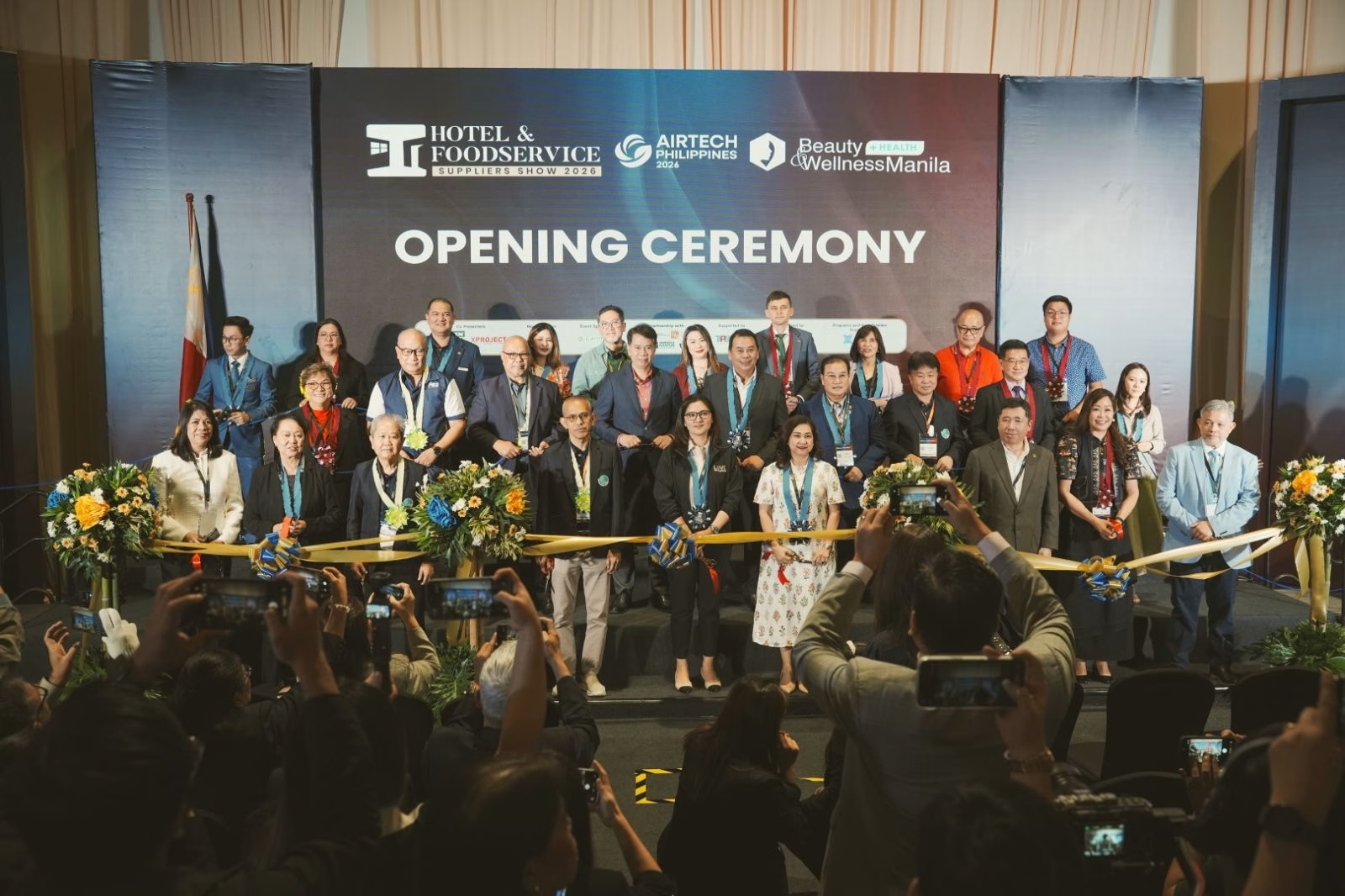
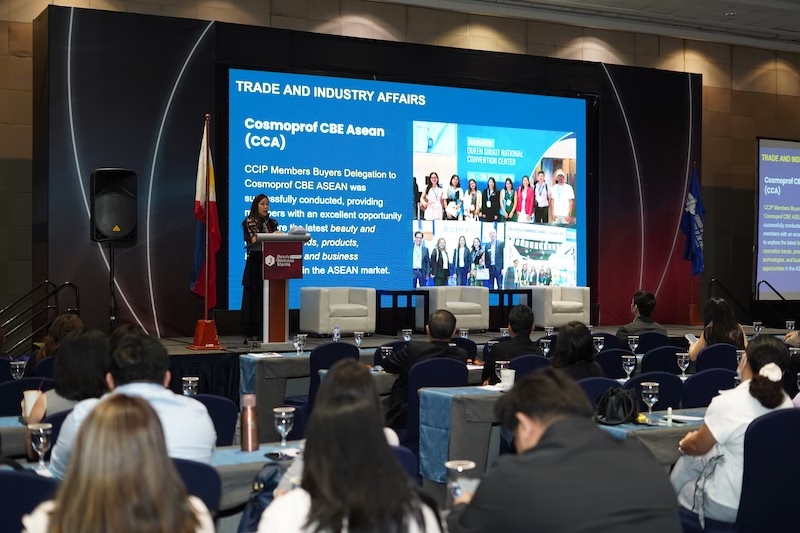
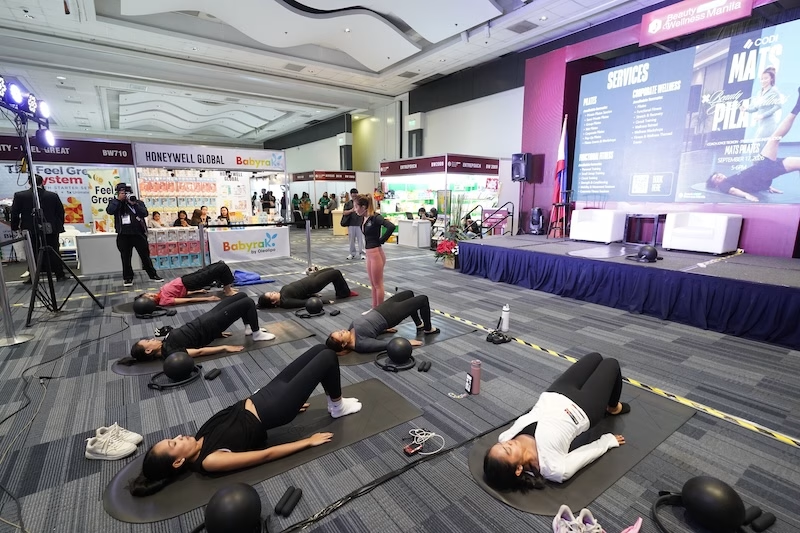
Beauty + Health & Wellness Manila (BHW) proudly opened its landmark 10th edition today at the SMX Convention Center Manila, marking a decade of shaping the country’s self-care industry. Running until September 19, the Philippines’ premier trade show unites more than 85 local and international brands across the beauty and wellness spectrum.

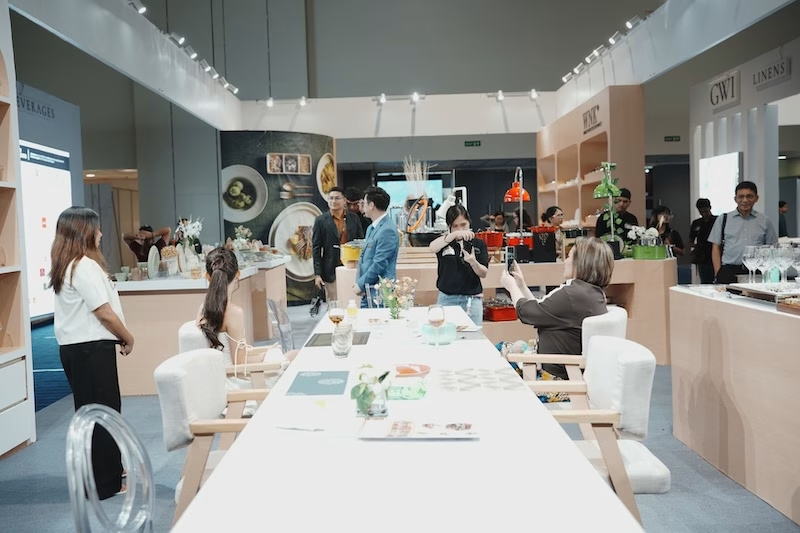
Organized by Global-Link MP Events International, Inc. in partnership with the Chamber of Cosmetics Industry of the Philippines (CCIP), and co-located with the Hotel & Foodservice Suppliers Show, BHW Manila continues to champion social impact through its support of the Ayala Foundation, Inc.

A Decade of Self-Care Evolution

Over the past ten years, BHW Manila has chronicled and propelled the transformation of self-care in the Philippines—from niche wellness products to a fully established industry now competing on the Asian stage.

    • High-Efficacy Formulations: Filipino innovators have elevated organic ingredients and essential oils into science-backed, everyday essentials.
    • Filipino Brands Rising: Homegrown names now stand shoulder-to-shoulder with global competitors, offering superior quality, modern packaging, and proven results.
    • Complete Industry Ecosystem: By linking local creators with international suppliers and technical experts, the Philippine market is primed for rapid expansion in its next decade.

Exhibitor Highlights

This year’s showcase reflects the full ecosystem driving self-care forward:

    • Filipino Brands & Enterprises: Hiwaga ng Dagat Corp., Hairreve (Jradiance Corp.), Juju Health and Wellness, Niveus Skin, Palawan Pearls, Scents & Memories Enterprises, The Zen Institute, Christian Cosmetic Science Inc., and MX3 (DMI Medical Supply Co., Inc.).
    • Industry Pillars & Regulators: CCIP, DOST-ITDI, Philippine Association of Wellness and Aesthetics (PAWA), Philippine Mental Health Association (PMHA), and the Packaging Institute of the Philippines.
    • Global Supply Chain Partners: Taiwan Pavilion (KS Digital Inc.), China Pavilion (Shanghai Wanlicheng Exhibition Co., Ltd.), Hubei Fortune Pharmaceutical, and Guangzhou Baosijie Biotechnology.

Media Inquiries: info@beautyandwellnessmanila.com


BÚTLAK at 40: How the Negros Trade Fair Blooms with Heritage, Flavor, and Enterprise

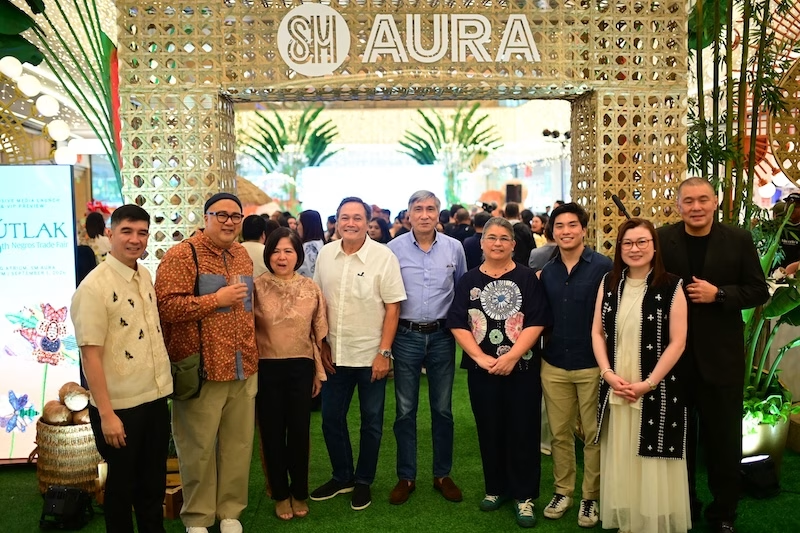
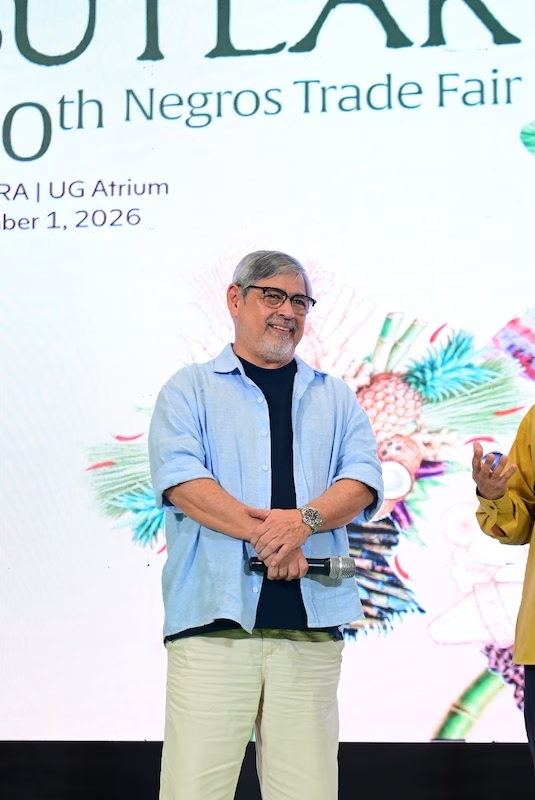
Leaders and partners behind BÚTLAK: The 40th Negros Trade Fair come together during the media launch. From left: Royce Cabuñag, AVP and Head of SM Communities; Chef JJ Yulo; Mary Anne Colmenares, NTF Chairperson; Chef Tony Boy Escalante, owner of Antonio’s; Francis Esteban, owner of Breakfast at Antonio’s; Christina Gaston, ANP President; Antonio Sebastian Escalante of Antonio’s; Pats Lim Dy, SAVP for SM Communities; and Joaquin San Agustin, EVP for Marketing of SM Supermalls.

Step into SM Aura this September, and you’ll find yourself transported—not just to a mall, but to Negros Island itself. For 40 years, the Negros Trade Fair has been more than a marketplace; it’s been a living showcase of Filipino creativity, resilience, and pride. This year’s milestone edition, aptly called BÚTLAK (to bloom), brings together 178 brands under one roof at the SMX Convention Center Aura from September 22 to 27, 2026.

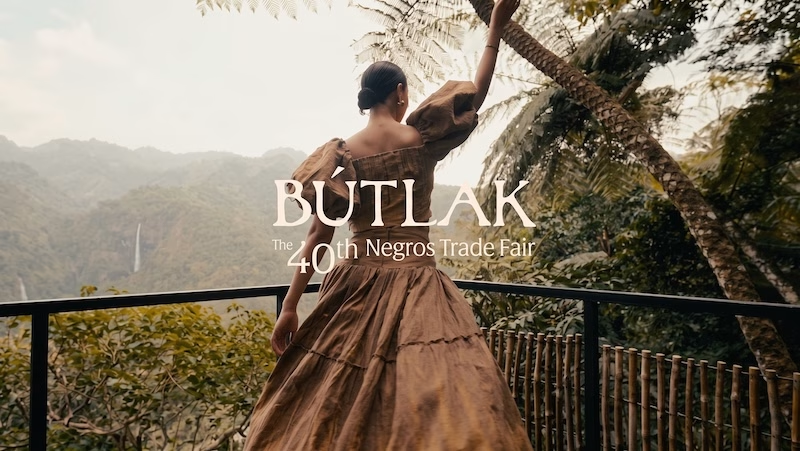
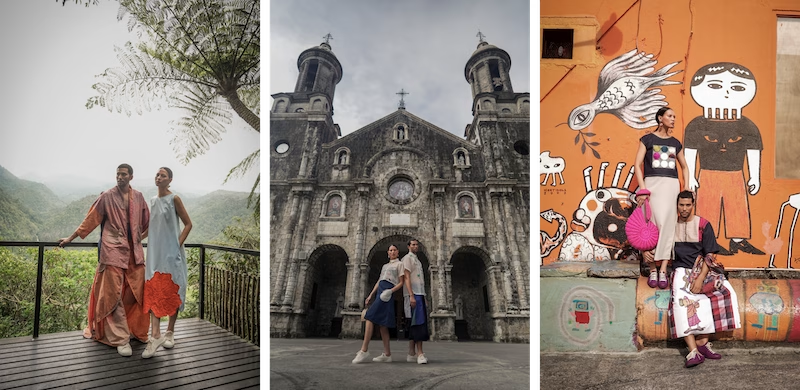
Unveiled during the media launch, the official BÚTLAK video sweeps across Negros—its landscapes, landmarks, fashion, and artistry—bringing the island’s creative spirit to life.

A Journey Without a Plane Ticket

The launch preview captured the essence of Negros through a stirring video that whisked guests across its landscapes, kitchens, and workshops. It was the kind of reel that makes you want to book a flight—but the fair itself brings Negros to Manila, offering six days of food, fashion, art, and handcrafted treasures.

ANP President Christina Gaston reminded everyone why this fair matters: “MSME development is about giving people the opportunity to discover what they can create, what they can become, and where their creativity can take them.” Over four decades, small ventures have grown into enterprises, and local products have reached markets once thought impossible.

Flavors That Tell Stories

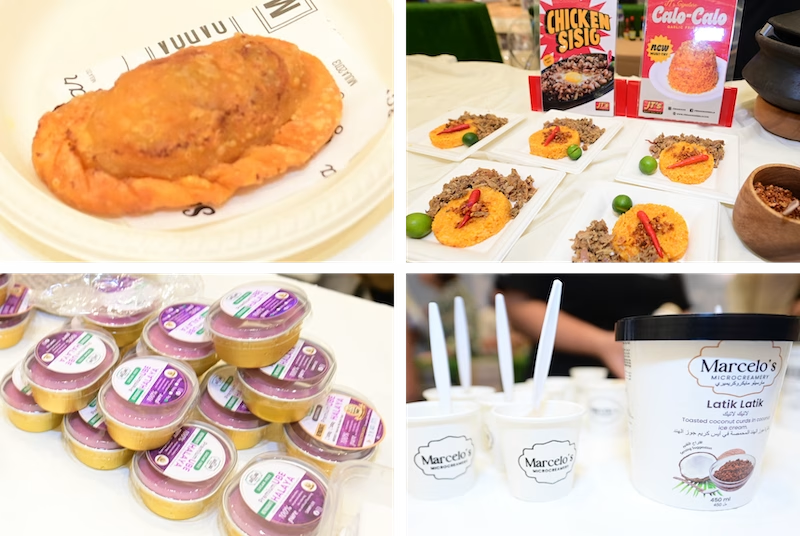
Guests at the launch were treated to a culinary journey led by Negrense icons JJ Yulo, Joel Torre, and Chef JP Anglo. From heirloom recipes to bold new interpretations, the tasting was a delicious preview of what’s to come.

Joel Torre, actor-restaurateur and proud Negrense, summed it up simply: “I’m very proud of Negros products.” Chef JP Anglo added, “Life is always changing; it’s a constant evolution. That’s why the Negros Trade Fair is thriving—it’s about the chase for perfection and love for craftsmanship.”

From savory empanadas and sisig to ube halaya and distinctive local ice cream flavors, the BÚTLAK media launch served a flavorful celebration of Negros—featuring Wawa Bing’s, JT’s Manukan, Cocina Javellana, and Marcelo’s Microcreamery.

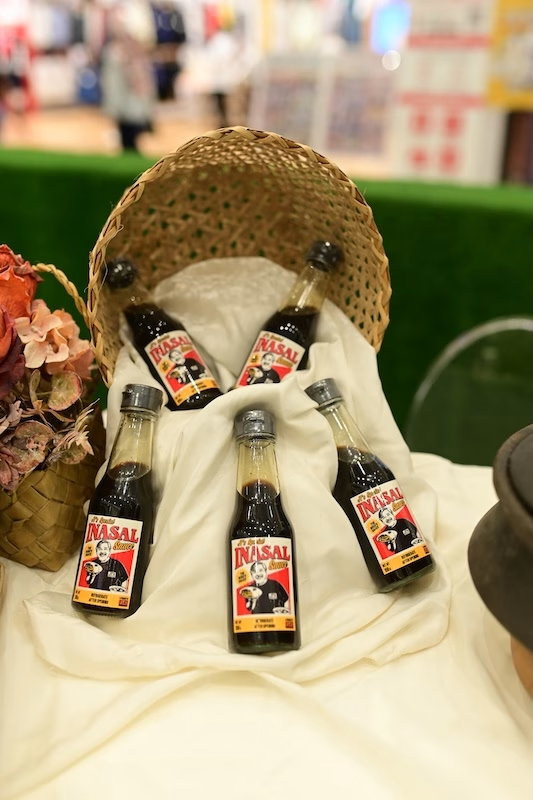
Expect beloved names like Bob’s Café, 21 Restaurant, Chicken House, El Ideal, and Virgie’s Homemade Products, alongside fresh food concepts and pasalubong finds that go far beyond inasal.

Fashion, Crafts, and Culture

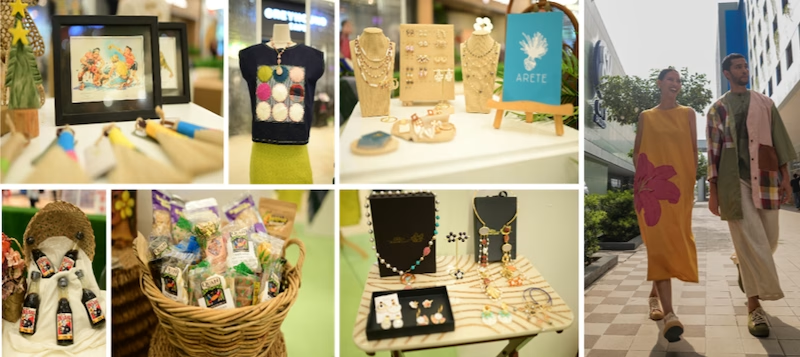
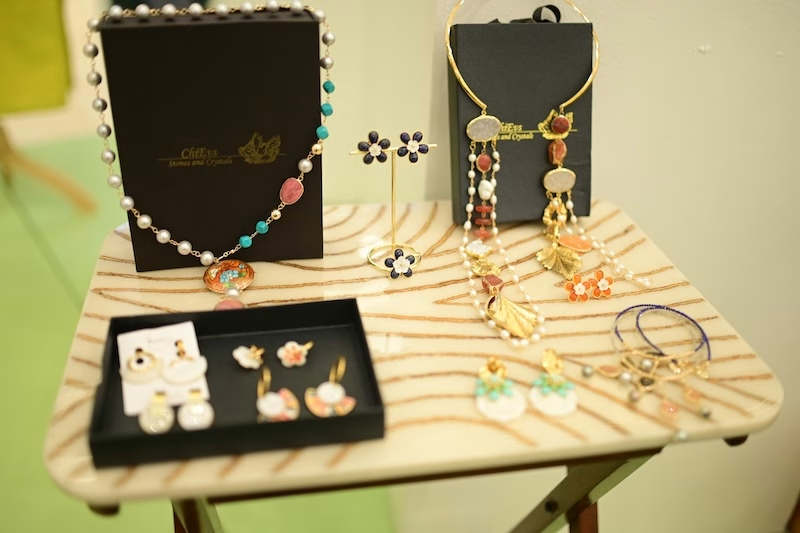
Beyond the table, the fair is a treasure trove of wearable art and homegrown design. Labels like Arête and Ellege Handcrafted Fashion showcase accessories and clothing rooted in tradition yet styled for today. Meanwhile, Hacienda Crafts, Tumandok Crafts Industries, and Artisana Island Crafts transform abaca, bamboo, capiz, and other indigenous materials into décor and furniture that sustain artisan livelihoods.

The fair will feature 178 brands across food, fashion, furniture, homeware, art, and local crafts—bringing come for the names they already love and leaving with a new favorite—or several.

For Stephanie and Cristina Claparols of Lakat Sustainables, the fair feels like family: “There are a lot of new brands to discover, especially from the new generation. That’s the most exciting part.”

Roots and Blooms

The anniversary theme, explained by ANP Vice President Mary Anne Colmenares, captures the fair’s spirit: “Our roots are found in traditions, skills, and stories handed down to us. Our blooms are the new ideas, new enterprises, and new generations emerging from those roots.”

SM Supermalls EVP for Marketing Joaquin San Agustin echoed the sentiment: “We’re celebrating 40 remarkable years—but we’re equally excited about the next 40.”

Final Take

The 40th Negros Trade Fair isn’t just about shopping. It’s about heritage, talent, and heart. It’s about supporting local makers while discovering flavors, fashions, and crafts that carry the soul of Negros. Bring your family, bring your friends, and take home a piece of the island.

See you at BÚTLAK!


The Pain Map: Navigating Upper vs. Lower Belly Trouble

Masakit ang tiyan? Sure ka bang tama ang gamot mo diyan?

Filipinos tend to treat “masakit ang tiyan” as one simple problem with one go-to solution. But is it really that simple? A stomachache can mean many things: kabag, pangangasim ng sikmura, constipation, or even cramps. Same stomach, different causes, so when it comes to getting over that belly pain, it’s never a one-size-fits-all answer.

Instead of guessing, it helps to understand what your body is actually telling you. Think of your belly as a map. Each zone corresponds to different organs, so where it hurts can reveal just as much as how it feels. Read both right, and you’re not just guessing—you’ll actually get to the bottom of it.

The Upper Belly Pain: Is it Indigestion—or Something Worse?

Upper belly acting up? That familiar flaring up or happy, uncomfortable bloating or a sharp, gnawing pain? That’s not just a random stomachache; that’s usually hyperacidity or pangangasim ng sikmura. These are often felt above the navel, up to the chest area, and tend to show up after meals—especially after that extra spicy or oily meal or that “promise, last na ‘to'” moment.

This kind of discomfort is your digestive system reacting in real time. The usual suspects are indigestion, acid reflux, and kabag. Same upper belly zone, but different triggers.

Manageable at first, but if the pain sticks around, worsens, or comes with red flags like vomiting, fever, or unexplained weight loss, that’s your cue to stop guessing and get it checked.

The Lower Belly Trouble: Just a Passing Cramp—or Something More Serious?

If the pain hits around or below the navel, it may be linked to functional abdominal cramping pain (FACP). Think hilab, ipit, tusok—the kind of pain na namimilipit sa sakit, and it often comes and goes.

FACP can appear on its own or with symptoms like pagtatae (diarrhea), constipation, or bloating. One minute you’re fine, the next you feel butterflies in your stomach—and not the kilig kind. It’s not always triggered by food either. Stress, pressure, and kaba can also directly affect your gut.

At its core, this type of pain is tied to how your digestive system functions—factors like gut sensitivity, intestinal muscle movement, or even an imbalance of “good” and “bad” bacteria can all play a role.

But if the pain becomes severe, one-sided, or comes with fever, nausea, or difficulty urinating, don’t brush it off. That’s your sign to get it checked.


What Can You Do For Upper and Lower Belly Pains

This is where it gets practical. If it’s upper belly pain caused by acid, antacids can help calm the burn. If it’s lower-belly cramps, that’s where antispasmodics like Hyoscine N-Butylbromide (Buscopan) come in to ease the tension.


Hyoscine N-butylbromide (Buscopan) is a naturally derived antispasmodic suitable for adults and children over 6 years old. It treats pain at the source, works in as fast as 15 minutes, and provides all-day relief—while helping reduce the intensity and frequency of lower-belly pain episodes.


For milder cases, Hyoscine N-Butylbromide (Buscopan) is recommended for light to moderate abdominal cramps, while Hyoscine N-Butylbromide Paracetamol (Buscopan Plus) is designed for more severe cramping. The usual dose is 1–2 tablets, 3x a day for not more than 3 days, or as prescribed by your doctor.

Your body’s not being dramatic—it’s being specific. Masakit ang tiyan isn’t just one thing, and where the pain hits is a clue, not a coincidence. Go back to the map: upper or lower, hapdi or hilab—each one points to a different cause and a different solution.

Read it right, and you can stop guessing and choose the right care—whether it’s for pangangasim ng sikmura, kabag, constipation, or cramping pain like FACP (where antispasmodics like Buscopan can help).

Because at the end of the day, hindi lahat ng sakit ng tiyan pare-pareho—and your treatment shouldn’t be either. And when in doubt, it’s always best to consult your doctor.

IF SYMPTOMS PERSIST, CONSULT YOUR DOCTOR