
Sustainability is no longer just a corporate responsibility—it is a national priority. And this year, the SM Group has once again proven that large-scale business can lead to meaningful environmental action.
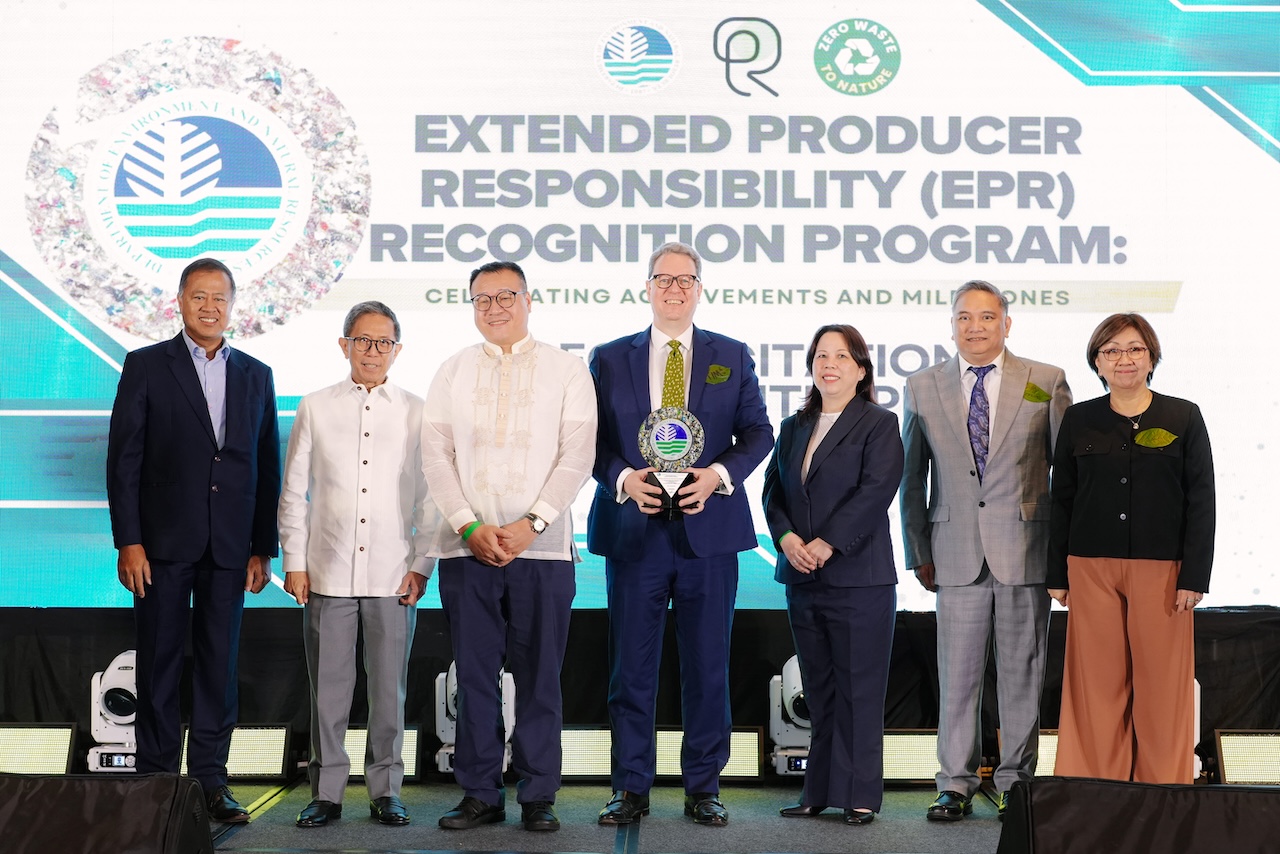
The Department of Environment and Natural Resources (DENR) formally recognized the SM Group for its comprehensive and coordinated efforts in supporting the Extended Producer Responsibility (EPR) Program. The initiative, anchored on Republic Act No. 11898, or the EPR Law of 2022, is designed to reduce plastic use, increase recovery of plastic packaging, and strengthen waste management systems nationwide.
But what sets SM apart is that its initiatives go far beyond compliance.
A Group-Wide Commitment to Circularity
During the awarding event held on January 30, 2026, the DENR highlighted SM’s unified, group-wide approach in “advancing recovery, reduction, innovation, and inclusive circular economy practices”—all aligned with the government’s Zero Waste to Nature agenda.
“This award is a credit to every part of the SM group,” said Timothy Daniels, Head of Investor Relations and Sustainability at SM Investments Corporation. “From our retail business to our banks and logistics companies, each has played a role in reducing plastic footprints and influencing consumers to use less plastic.”
It’s a sustainability strategy that integrates operations, infrastructure, and consumer behavior—creating impact at every level.
Turning Waste into Opportunity
At the forefront of SM’s environmental initiatives is SM Prime Holdings, Inc., through its flagship #SMWasteFreeFuture campaign. A key milestone under this program is its partnership with Japanese waste processing firm Guun Co., Ltd., which led to the establishment of a waste processing facility in Consolacion, Cebu. This facility converts waste into reusable materials—transforming what was once discarded into valuable resources.
Across SM properties nationwide, specially labeled RDC bins—for Recyclable, Disposable, and Compostable waste—have been installed to streamline waste segregation.
-
-
Recyclables such as bottles, cans, and paper are sent to recycling facilities.
-
Disposables like cups, straws, and rags are converted into alternative fuel for cement kilns.
-
Compostables, including food scraps, are processed into landscaping soil within 48 hours.
-
“GUUN is a collaboration across the Group that ensures consumption or waste is not the end of the economic cycle,” explained George Cheung, President of SM GUUN and Assistant Vice President for Waste Management and Sustainability Solutions at SM Supermalls.
The goal is clear: keep materials in circulation and prevent them from ending up in nature.
Empowering Communities Through Practical Solutions
SM’s sustainability efforts extend beyond infrastructure and into community engagement.
SM Supermalls continues its long-running Trash-to-Cash (TTC) recycling market, a monthly initiative held across malls nationwide. Through TTC, customers can exchange recyclable materials—including paper, plastic, metal, and even old appliances—for cash. The program facilitates the recycling of over 1.5 million kilograms of waste annually. Additionally, E-Waste Collection bins are available in Cyberzone areas, while Plastic Waste Collection vans operate in 15 SM malls.
Meanwhile, SM Markets—which includes SM Supermarket, SM Hypermarket, and Savemore—has been encouraging customers to shift away from single-use plastics since 2007. In 2025 alone, SM Markets sold 20.8 million Green Bags, preventing an estimated 31.2 million plastic bags from entering circulation.
Practical, Scalable, and Impactful
For SM, the fight against plastic pollution isn’t about one big gesture—it’s about consistent, practical, and commercially viable actions implemented across its entire ecosystem.
“When we look at plastics, which is a significant problem in the Philippines, we have taken a range of actions across the group,” Daniels emphasized. “What they have in common is that they are practical, commercially viable, and they create meaningful differences in addressing the plastics problem.”
Leading Toward a Waste-Free Future
Through #SMWasteFreeFuture, SM has consolidated sustainability initiatives into a unified system that reinforces its commitment to environmental stewardship and sustainable communities.
The DENR recognition serves not just as an award but as validation that collaborative, large-scale corporate action can support national environmental goals.
As the Philippines continues its push toward a circular economy, SM’s integrated approach demonstrates that businesses—when aligned with purpose—can help turn waste challenges into sustainable opportunities.