

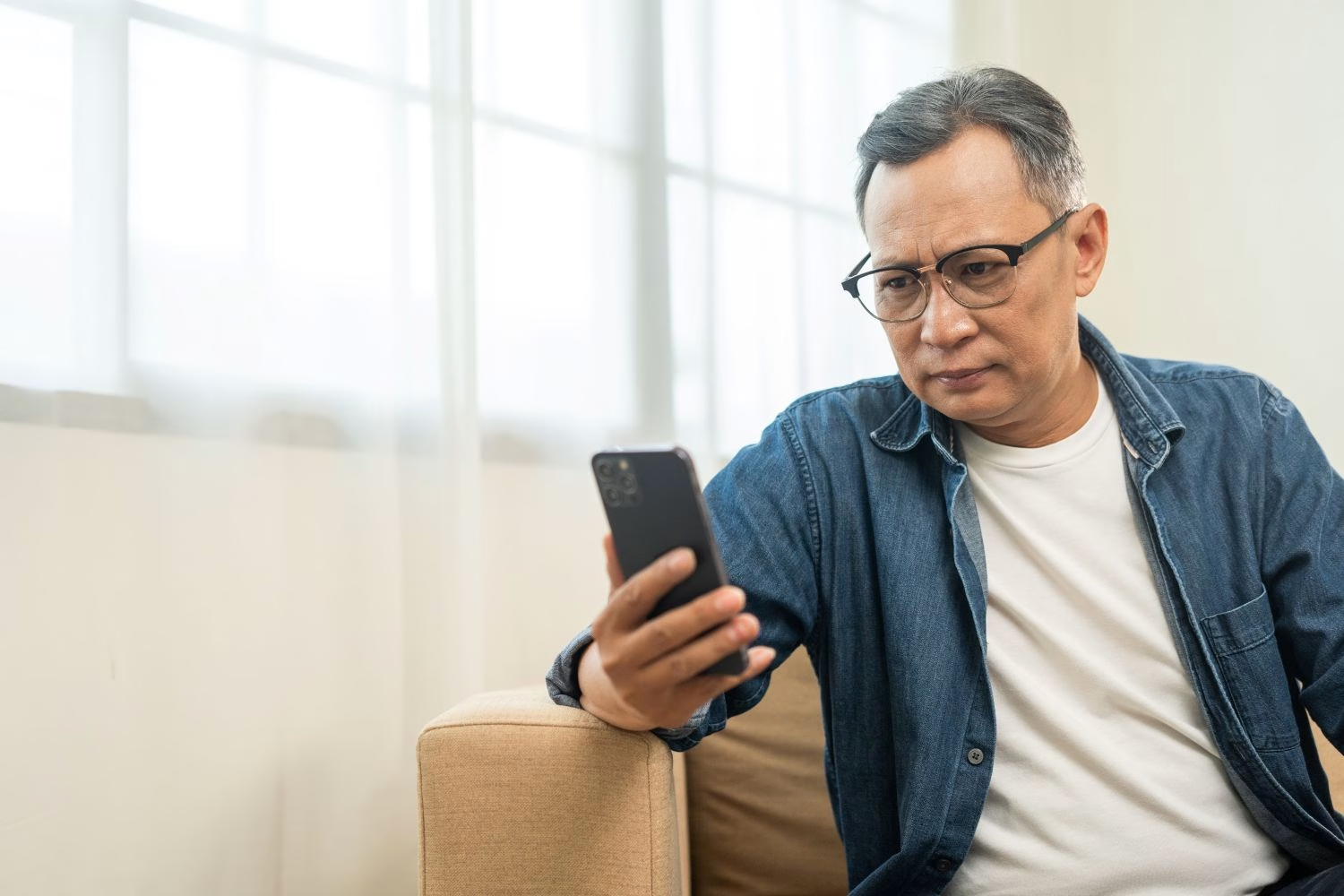
When a stranger pressures you to act quickly, it’s a warning sign of a scam.
It’s the most-used strategy of scammers today: make people panic so they’ll act fast without pausing to think. They create fake emergencies and make it seem like an urgent problem that needs immediate attention. It can start with an alert sent to your phone or email that you need to cancel a suspicious transaction, claim expiring rewards, or ask you to change your information right away because your bank account has been compromised.
As a senior citizen, BDO advises you to be W.A.I.S.—Wise, Alert, Informed, and Secure—by thinking twice before acting, staying alert, asking questions, and keeping your information safe. One of the best ways to protect yourself, senior or not, is to slow down, take a moment to think, and verify unexpected requests before taking action.
Don’t be a scammer’s target
Scammers often target older adults because they believe seniors may be less aware of online threats.
A study by the Philippine Institute for Development Studies found that only 18% of Filipinos aged 65 and above have at least one basic digital skill. This can make it harder to spot online scams, fake messages, or suspicious websites. Fraudsters use phone calls, text messages, emails, or social media to gain people’s trust and obtain personal or financial information.
The most commonly reported fraud incidents at BDO involve voice phishing—a.k.a. vishing—where scammers call and pretend to be bank representatives, accounting for almost half of the scams. This is followed by phishing through fake links, websites, or emails and then impersonation scams.
In many cases, scammers pose as bank personnel and convince their victims to share confidential information, provide one-time passwords (OTPs), or transfer money to another account.
The good news is that these scams can often be prevented by knowing the warning signs, recognizing red flags, and following a few simple safety habits.
Think S.C.A.M. before you act. When you receive a suspicious message, email, or phone call, remember these helpful tips:
-
- STOP and don’t click links. Do not give in to panic and share personal details right away.
-
- CHECK if the message or caller is legitimate. Verify via your bank’s official website, official hotline number, or log in to your mobile app.
-
- ASK someone you trust to verify. When in doubt, don’t proceed. Ask your bank, a trusted family member, or a friend if you feel unsure.
-
- MAKE SURE your information is protected. Keep your financial information private. Never share your account details, Card Verification Value (CVV), username, password, or OTP with anyone.
Simple habits, strong protection
Scammers constantly change their tactics, but their strategy remains the same: create fear and urgency to make people act without thinking. Seniors who stay calm and cautious, while practising simple safety habits, can confidently embrace the digital world and avoid falling victim to scams.
For more #BDOStopScam tips, check the BDO website or official Facebook page.