

If there’s one trend that has stubbornly refused to slow down over the years, it’s cafe culture. In the Philippines, the coffee scene is brewing stronger than ever. With the foodservice sector projected to rise by 10% in 2026, small businesses—particularly independent coffee shops—are the main drivers of this caffeine-fueled boom.
But step behind the counter, and you’ll find a reality that doesn’t always make it to Instagram. Behind the stylish minimalist interiors, the curated playlists, and the perfectly poured latte art lies a massive hidden challenge: the immense pressure to operate efficiently.
Many coffee shop owners pour their hearts into getting their product right, but the operational side—the gears that keep the business running smoothly—often gets overlooked.
We took a trip to the country’s summer capital, Baguio City, to see how two local cafe owners are trading in their operational headaches for their “easy era” by upgrading their tech.
When Manual Systems Simply Can’t Keep Up
For Archie Villamor and his team at Honey Bakes Café Baguio, the biggest hurdle wasn’t baking the perfect pastry; it was the time-consuming manual processes that ate up their day.
“Before, we simply had a system of manually tracking cash flow and recording expenses daily. Each month, we summed up sales to determine if we had a positive net income,” Archie shares.
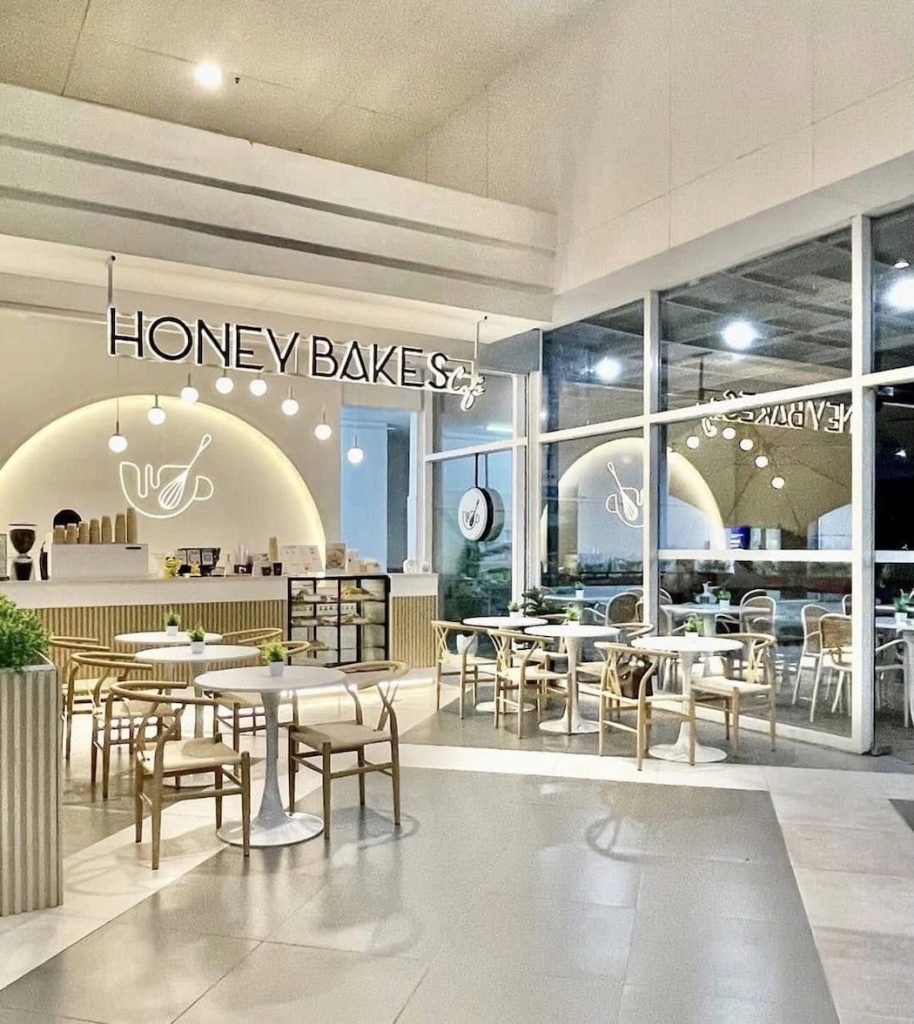
As the cafe grew, manual tracking became a heavy burden. To solve this, Archie partnered with GCash for Business. Today, his team uses the GCash for Business portal to track and manage all transactions in one centralized dashboard. It’s a massive time-saver for the staff, and the perks are hard to beat: there is no wallet limit for receiving cashless payments, and zero transaction fees when paying their suppliers.
Conquering the Peak Hour Rush
A few streets over at Chambee Ace Café, franchise owner Cynthia Tiplady was fighting a different battle: peak-hour bottlenecks.
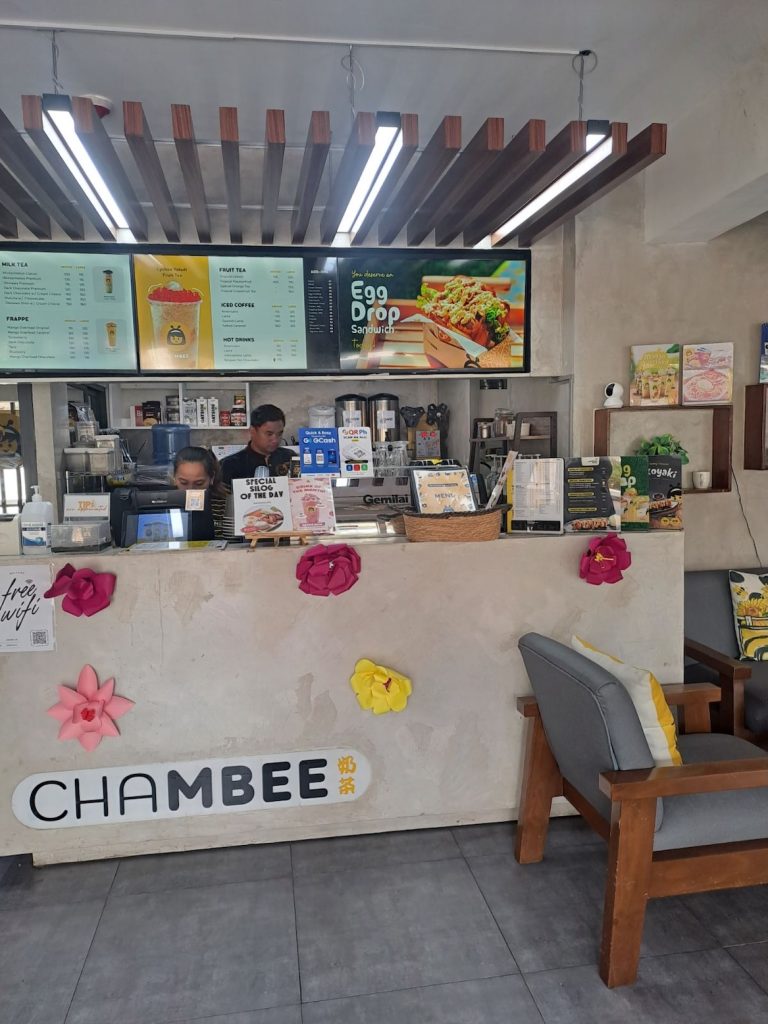
Operating in Baguio means serving a wildly diverse crowd—from massive groups of tourists ordering in bulk to students and office workers in a frantic rush. When you’re dealing with that kind of foot traffic, every second counts.
“Before, we were using a mix of payment methods like bank transfers, QR codes, GCash, and cash,” Cynthia explains. Small delays, like staff manually verifying online transfers on their personal phones, were slowing operations down to a crawl. For a long time, the solution to this—enterprise-grade POS terminals—was completely out of reach for small businesses.
That changed with the GCash EasyPOS. This game-changing innovation allows Chambee Ace Café to accept all payment types—whether a customer wants to scan a QR code or tap a card—all from a single device. It instantly prints receipts and allows Cynthia to manage transactions, refunds, and reconciliation directly on the terminal itself.
Speeding Up the Checkout Line with SoundPay Plus
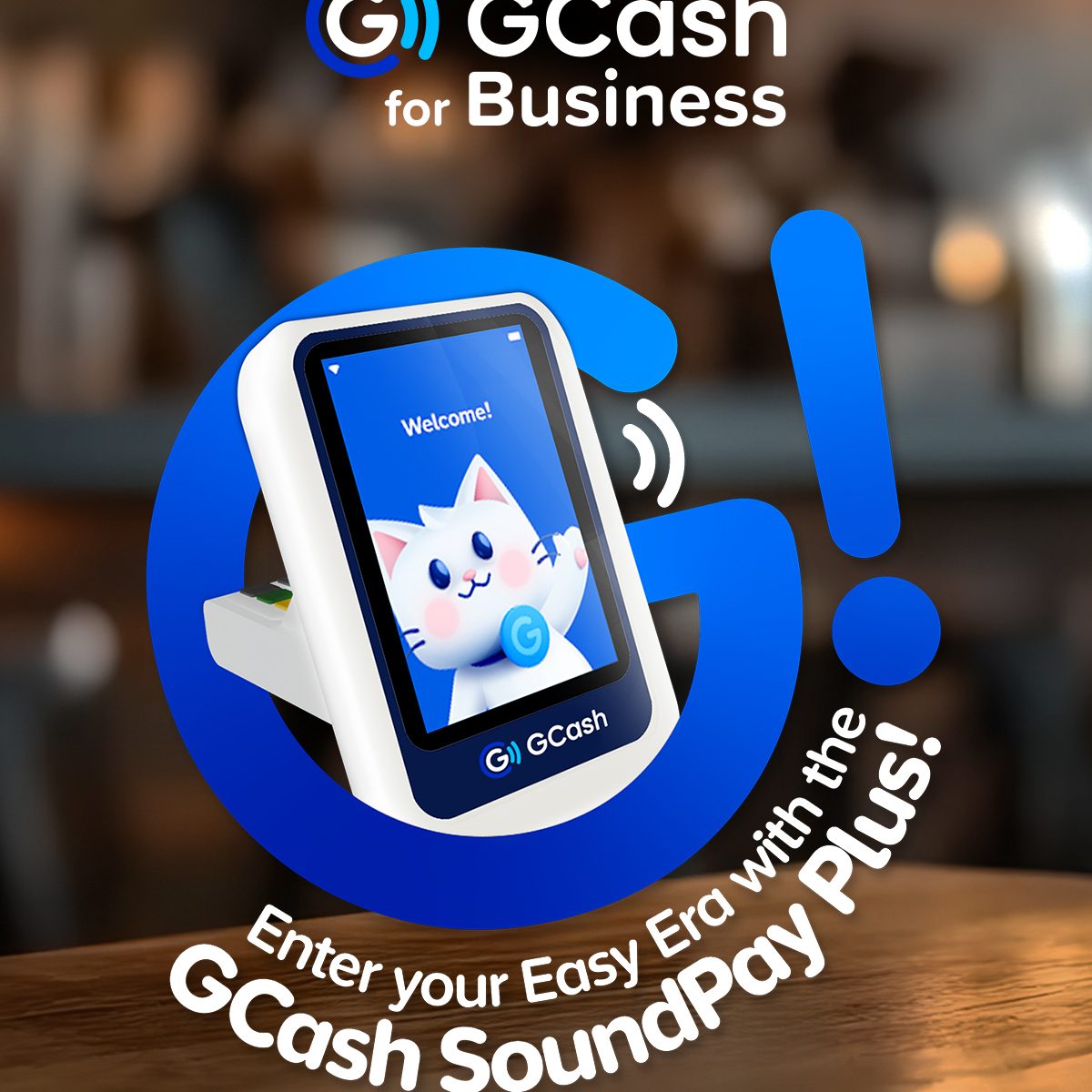
Back at Honey Bakes, Archie has also revolutionized his checkout counter with the new GCash SoundPay Plus.
This affordable, all-in-one payment device lets merchants accept QR, card, and tap-to-pay (NFC) transactions. The best part? It provides real-time voice confirmation. This means both the staff and the customer get instant audio verification that the payment was pushed through.
“Using GCash SoundPay Plus has sped up the long queues in our store,” Archie notes. “It has just made everything more convenient, secure, and overall easier for both our customers and our staff.”
By automating the checkout process, Archie’s team now has the time to focus on what actually matters: talking to customers, introducing new menu items, and ensuring every guest leaves happy.
Ready to Enter Your Business’s “Easy Era”?
As more people seek out memorable cafe experiences, business owners need to ensure their back-end operations can keep up with front-end demands.
If you’re a business owner looking to scale efficiently, you can be among the first to adapt the newest payment solutions from GCash for Business, including the GCash EasyPOS and GCash SoundPay Plus.
Here is how to get started:
-
- Create an account on the GCash for Business Portal.
- Apply as an official GCash merchant (you just need a verified GCash account active for at least 12 months to qualify for the Starter Plan).
- Order your desired device, wait for the email confirmation, and look out for your delivery details!
Want to learn more about how to empower and scale your operations? Visit GCash for Business to explore their full suite of products tailored for growing enterprises.*
