
Davao Diaries: Eagles, Escapes, and Every Cup of Matcha

Is the “Durian Capital of the Philippines” now also called the “Matcha Capital of the Philippines”? Welcome to Davao City, Philippines. Aside from being the home of the monkey-eating Philippine eagle, you can also find Mt. Apo on its land and harvest its pride fruit, durian. (Philippine Tourism USA, n.d.)

Going in and out of Davao, there are undeniably lots of tourist places you can visit that are also undeniably amazing to go to. One of the people’s favorites is the Malagos Garden Resort; any chocolate lover would love to go there. Other places to visit are Philippines Eagle Center, Eden Nature Park, and, with a short boat ride, Samal Island. 
But beyond the buzz and viral posts, what makes this place truly deserving of its newfound spotlight? Perhaps the answer lies not in a single landmark or attraction, but in the moments that linger long after the journey ends. From timeless destinations to emerging favorites, these are the places that reveal Davao at its finest.

Azuela Cove

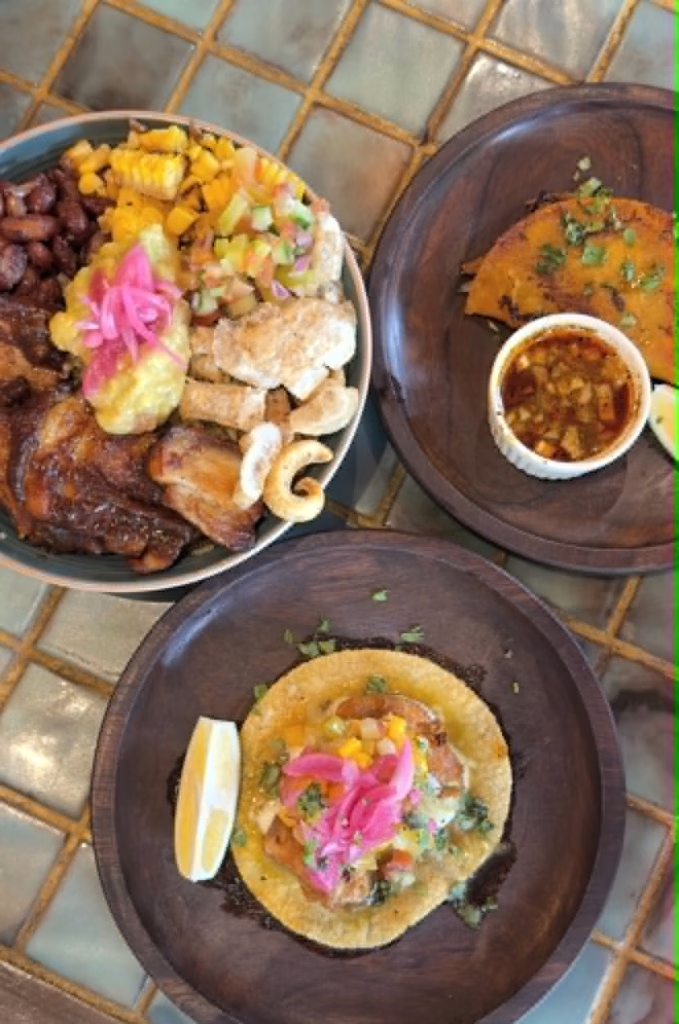
    • Being the city that is widely considered one of the cleanest cities in the Philippines, with its disciplined culture and strict local ordinances (Department of Tourism, n.d.), imagine that, but with a blend of residential, commercial, and recreational vibes within one place. Thai, Mexican, and other cuisines, different cafes, and retail stores are all merged and can be found within Azuela High Street. The place also offers a rent-a-bike and rent-a-scooter for a breezy ride within the Azuela perimeters. It also provides a court for everyone’s favorite sport nowadays, pickleball. Pickleball is not the only athletic activity that this place offers; runners and joggers are also welcome to go around the area. And of course, the place also offers its famous Azuela Seaside Promenade, an open-air walkway along the Davao Gulf. Where post-runs and post-cafe dates turn into sunset watching. Azuela Cove offers the perfect Sunday morning vibes that can be enjoyed whether it’s exercising or pure relaxation.
Davao Global Township

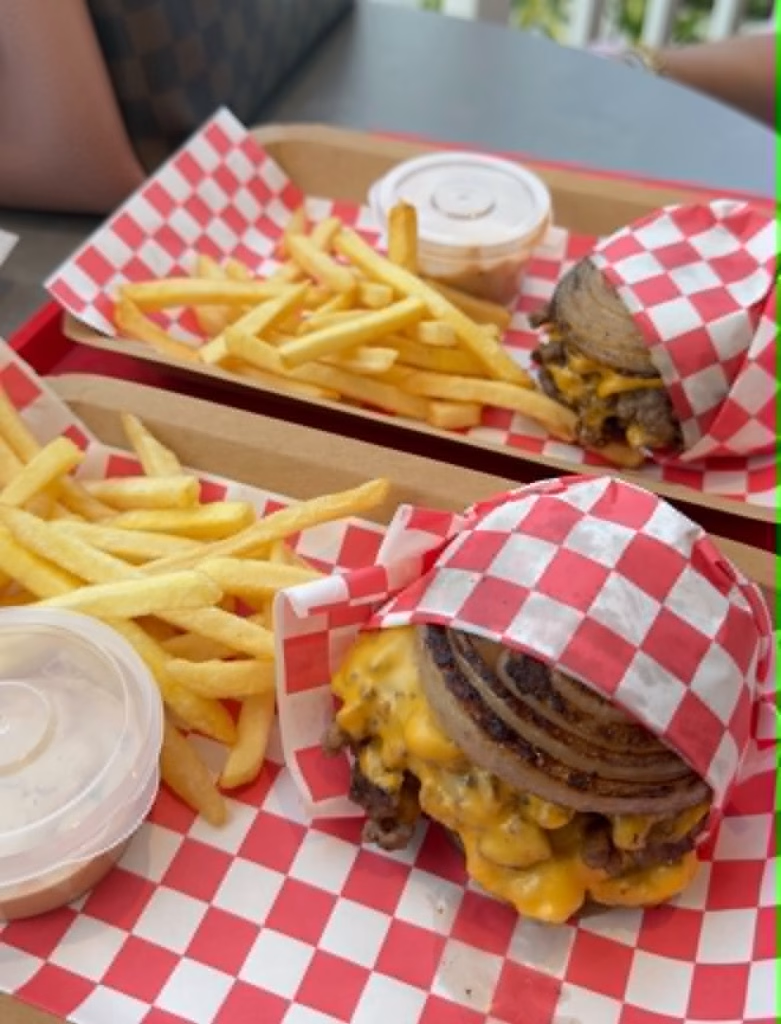
    • Davao excels at creating green spaces where good food, great company, and scenic views come together. DGT is an open space where visitors can go for a run or a leisurely jog or spend a restful day by lying down a picnic mat and enjoying quality time with friends and family. It is also home to a personal favorite, SMASHD., where a local take on the famous In-N-Out Flying Dutchman can be found. Matcha cafés, AnniPie Bakery, food carts, and high-end restaurants all share this vibrant space, framed by the silhouette of residential mountains and some of the city’s most breathtaking sunsets.

The Philippines’ Newest Matcha Capital

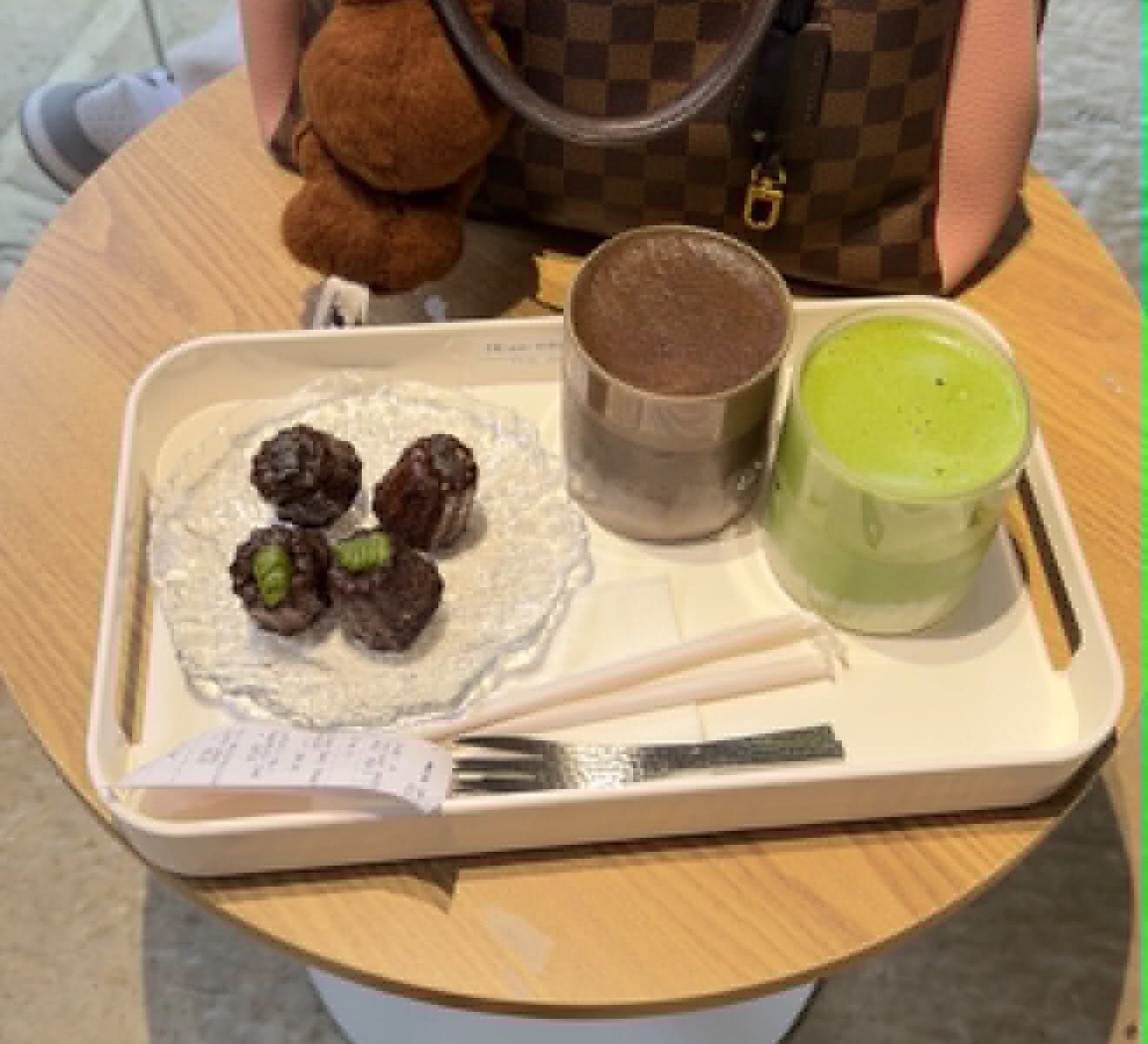
    • Crowned by the internet, Davao is known as the Matcha Capital of the Philippines, offering countless Matcha cafes within the city. But does it really deserve the spotlight? Whether it be big or small cafes, the city seems to refuse to use instant and not-so-freshly made matcha for every order. Though matcha drinks are not the most affordable beverages out there, every cup should be worth the price. That is why it is always better to know where to go before taking that first sip. Here are some of the cafés that deserve a spot on every matcha lover’s list.
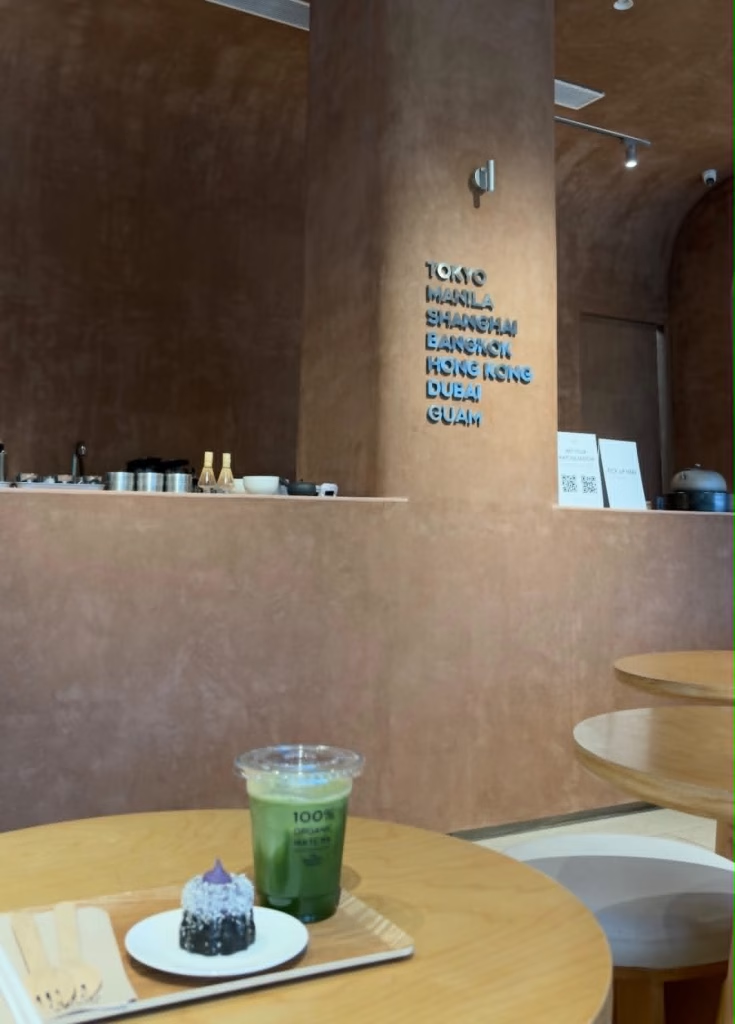
      1. &Matcha – The store not only sells matcha but also offers the best scenery to drink their drinks as well. From the exterior to the taste of their matcha, it’s an automatic 10/10. They offer a safe variety to choose from that fits within everyone’s taste buds.
      2. Mille Matcha – A minimalist and modern interior paired with their authentic tasty matcha drinks. Mille Matcha can also be found within the grounds of DGT, which makes it the perfect place to go for dessert.
      3. Kisom Matcha – Grab your current read, as this place not only offers good matcha but also a cozy yet productive setting. Without question, Kisom is said to offer good matcha, and guess what? They also let you pour the matcha and the sweetener yourself. 
      4. Manu Cafe – A Japandi-style cafe that is surely within reach. The cafe doesn’t only offer matcha as a dessert but also serves coffee. The vibe and atmosphere of the place is definitely perfect for WFC, work-from-cafe.
      5. The Matcha Tokyo – The safest place to satisfy your matcha cravings, offering a quality and tasty treat. The Matcha Tokyo can be found either at SM Davao or Azuela High Street, along with its other branches within the country. 

These are not the only places to enjoy matcha within Davao City, but they are undoubtedly among the most recommended. In the end, perhaps the best way to discover Davao is not only through the places it is known for, but also through the quiet moments shared over a cup of matcha, one cup at a time.

Davao City has been known for its traditional attractions, towering mountains, undeniable biodiversity, and the unique aroma of durian. But beyond these cultures, the city continues to reinvent itself without losing its identity. From serene green areas and energetic neighborhoods to cafés subtly perfecting each cup of matcha, Davao demonstrates that its top attractions are not just those seen in travel brochures but also the moments that entice tourists to stay a bit longer. It is up to each traveler to determine whether or not it really merits the moniker “Matcha Capital of the Philippines.” But one thing is certain: Davao is now a city to experience, one location, one sunset, and maybe even one cup of matcha at a time, rather than merely a place to travel.

Philippines Tourism USA. (n.d.). Davao. https://philippinetourismusa.com/destination/davao/  

Department of Tourism. (n.d.). Davao City. Love the Philippines. https://www.tourism.gov.ph/destination/davao-region/davao-city/  
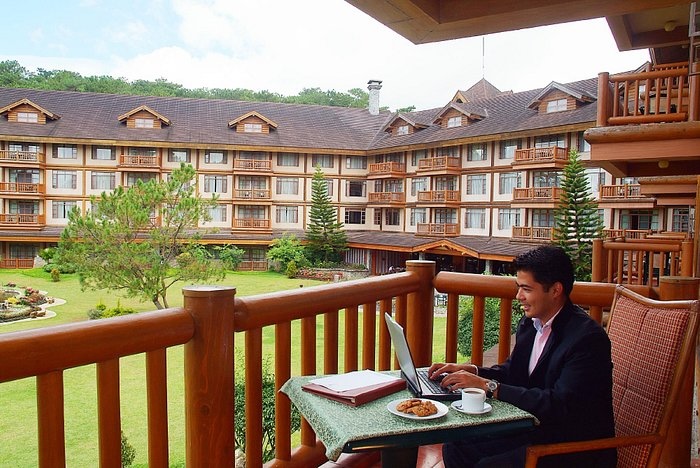
John Hay Hotels Managed by Landco Lifestyle Ventures: Ignites Cordillera Culture, Supports Local Communities, and Celebrates Sustainable Tourism and Gastronomy

In Partnership with Mountain Man to Promote Indigenous Flavors and Culture in Baguio

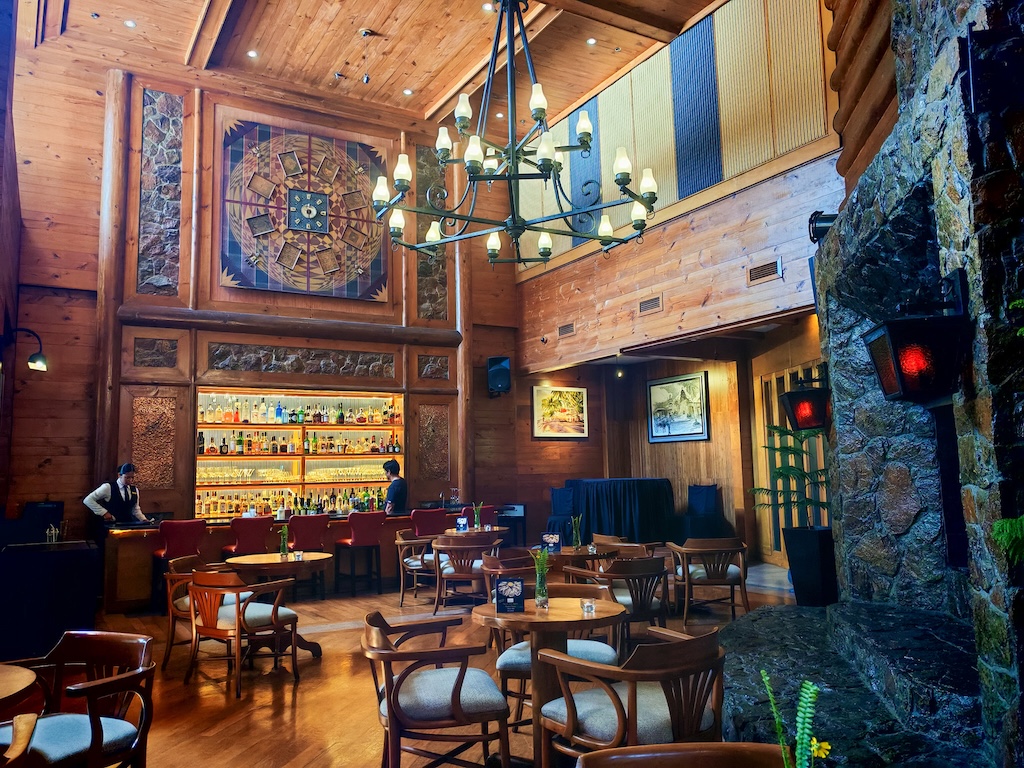
Nestled in the cool climes of Baguio City, John Hay Hotels redefines hospitality by embracing Cordillera culture and community empowerment through its vibrant partnership with Mountain Man, the culinary brand of the famed Romawac family that is deeply rooted in indigenous food heritage.

Landco Lifestyle Ventures (LLV), the hospitality arm of Landco Pacific Corporation, a subsidiary of Metro Pacific Investments Corporation, helmed by Chairman Manuel V. Pangilinan, manages John Hay Hotels and leads this exciting collaboration. LLV commits not only to elevating guest experiences but also to fostering sustainable growth and welfare within the local community.

“Our vision is to create lifestyle destinations that not only showcase the natural beauty and culture of their locations but also actively contribute to the sustainability and prosperity of the local communities. Through partnerships like this with Mountain Man, we ensure that the heritage and traditions of the Cordilleras are honored and that our support helps uplift local SMEs, preserving their livelihoods for generations to come,” Patrick C. Gregorio, Head of Landco Lifestyle Ventures, emphasizes this holistic approach.

“We are also deeply committed to responsible tourism that empowers people. At John Hay Hotels, we don’t just want to offer visitors a beautiful place to stay—we want to build a thriving ecosystem where culture, community, and commerce grow hand in hand. This means supporting our local suppliers, providing fair wages and benefits to our colleagues, and creating memorable experiences that celebrate Baguio and the Cordilleras authentically,” Gregorio adds.

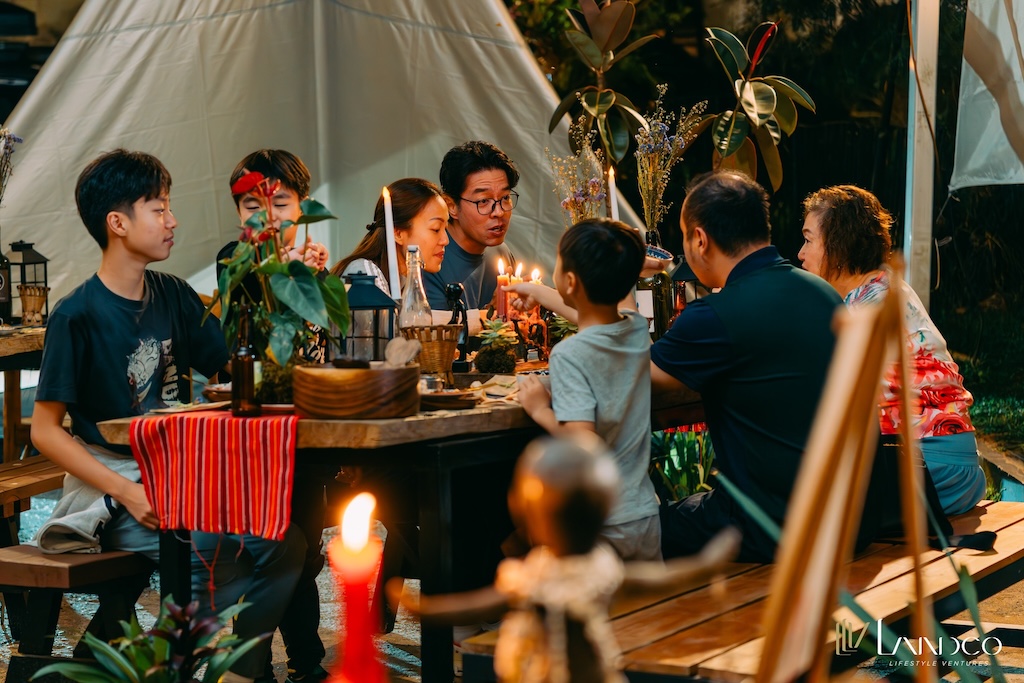
The Mountain Man’s signature open-fire Cordilleran dining experience on Saturdays at the Garden Wing of John Hay Hotels perfectly exemplifies this vision—offering guests an authentic, immersive taste of Cordillera heritage while supporting local farmers, fishermen, and artisans. Through this synergy, LLV and Mountain Man jointly nurture a sustainable hospitality ecosystem that honours culture, uplifts local communities, and delivers unforgettable experiences.

John Hay Hotels pays homage to Cordillera cuisine with local culinary master Mountain Man; and supports SMEs through sourcing of local ingredients.

A Culinary Journey Deeply Rooted in Cordillera Identity

Mountain Man, led by lakay ken baket, husband and wife Chavi and Millie Romawac, together with their family, is much more than a dining concept. It is the manifestation of a lifelong journey dedicated to preserving Cordillera’s indigenous culinary practices—many of which generations of elders and local communities have passed down. Their work began during the challenging pandemic years when they traveled extensively throughout the Cordillera provinces to document heirloom recipes, open-fire cooking techniques, and the cultural narratives that give these dishes meaning.

“We see food as a living story, a bridge connecting the past to the present,” shares Chavi. “Our goal is to keep these traditions alive not just as cultural artifacts but as everyday experiences that people can taste, share, and celebrate.”

“We are very happy to partner with Landco Lifestyle Ventures because we share a passion and commitment to uplifting Cordillera culture and communities. Their support enables us to bring indigenous cuisine to a wider audience while ensuring that the local farmers and artisans who make it possible are respected and valued,” Millie enthuses.

Their ‘Roofdeck Kitchen’ in Baguio has become a cultural hub where ancestral recipes meet contemporary sensibilities. This heritage now generously reaches guests at John Hay Hotels, where open-fire dinners recreate authentic Cordillera meals using locally sourced, sustainable ingredients—directly benefiting indigenous farmers and small-scale producers.

John Hay Hotels guests can savor iconic Cordillera dishes such as:
• Hinanglag — a slow-cooked pork belly inspired by Kiangan traditions, cooked in its own fat until tender and flavorful
• Pinikpikan-style Baguio Chicken Rice — featuring the indigenous chicken preparation ritual that tenderizes the meat and enhances its flavor
• Mountain Man Clambake — combining locally foraged watercress and fresh seafood from Pangasinan, bridging mountain and coastal culinary traditions
• Heirloom rice dishes made with grains from Ifugao farmers, paired with indigenous vegetables from Benguet and traditional condiments

These dishes are not merely food but living expressions of Cordillera culture, reflecting indigenous rituals, storytelling, and community values passed down through generations. The open-fire cooking technique stands as a sacred practice, symbolizing a deep connection to the land and ancestral traditions.

By sourcing directly from local small-scale producers and honoring traditional culinary methods, Mountain Man and Landco Lifestyle Ventures promote not only sustainable tourism but also the preservation and celebration of Cordillera identity, empowering indigenous communities to keep their culture alive and thriving.

An Invitation to Experience Cordillera’s Rich Heritage

John Hay Hotels invites locals and visitors alike to experience this unique culinary and cultural journey every Saturday evening at The Manor’s Garden Wing. The Mountain Man open-fire dinners provide a rare opportunity to savor the flavors of the Cordilleras while supporting a sustainable ecosystem that honors heritage, empowers communities, and fosters genuine connections.

“We hope each guest leaves with more than just a meal,” says Millie Romawac.

“They take home a story, a memory, and a piece of Cordillera’s soul.”

Rediscover Landco Lifestyle Ventures managed John Hay Hotels for leading sustainable tourism and gastronomy in Baguio.

Sustainable Tourism: Celebrating Culture, Cuisine, and Active Lifestyles

Sustainability is at the core of Landco Lifestyle Ventures’ strategy for John Hay Hotels, where every initiative benefits the environment, local communities, and the broader tourism ecosystem. The Mountain Man partnership exemplifies sustainable dining tourism, sourcing heirloom rice from Ifugao farmers, fresh vegetables from Benguet growers, and seafood from nearby coastal provinces. This approach enriches the guest experience with authentic flavors while ensuring economic benefits flow directly to indigenous farmers, fishermen, and artisans—helping preserve their livelihoods and traditional practices.

Complementing this culinary tourism is John Hay Hotels’ growing role in promoting sports tourism in the Cordilleras. Recently, the hotel proudly hosted the finish line of the Tour of Luzon, a major cycling race attracting athletes and visitors from all over the country. This event showcased Baguio’s challenging mountain terrain and vibrant community spirit, drawing attention to the region as a prime destination for active, outdoor tourism.

“Our goal is to enrich the facets of Baguio tourism with diverse attractions from gastronomy, festivals to sports events. We offer visitors a rich tapestry of experiences—whether savoring indigenous flavors or engaging with Baguio’s unique natural landscapes through cycling and other outdoor activities. Hosting the Tour of Luzon finish line was also a milestone that highlighted John Hay Hotels’ commitment to sustainable tourism, blending culture, community, and healthy living.” Patrick Gregorio explains the synergy on tourism.” Gregorio states.

“Sustainable tourism is about balance—celebrating our rich heritage while preserving our environment and supporting local livelihoods. This is the legacy we want to build for Baguio and the Cordilleras,” further highlighted.

Empowering John Hay Hotels Colleagues

Beyond cultural preservation and community support, LLV takes pride in its enhanced management practices that prioritize the welfare of John Hay Hotels’ colleagues. A recent implementation of a service charge ensures that employees receive fairer compensation, fostering a more motivated and empowered workforce. This initiative is part of LLV’s commitment to professionalize hotel operations while cultivating an environment where every team member feels valued and supported.

The success of John Hay Hotels also rests on how LLV cares for its own people. Implementing a service charge was a deliberate move to improve employee welfare—an often overlooked but crucial aspect of sustainable hospitality.

“Our colleagues are the backbone of what we do,” Gregorio affirms. “Ensuring they are fairly compensated and feel supported creates a culture of pride and excellence that our guests can genuinely feel. It’s a win-win for the team, the community, and the guest experience.”

For more information and reservations, For John Hay Hotels inquiries and reservations, guests can call (074) 637 4720 | (074) 637 472,  (+63) 939 986 4120; email: reservationsatmanor@campjohnhayhotels.com ;  visit Landco Lifestyle Ventures websitewww.landcolifestyleventures.com ; and socials on FB:  https://www.facebook.com/TheJohnHayHotels   IG: https://www.instagram.com/thejohnhayhotels/ ; TikTok: https://www.tiktok.com/@thejohnhayhotels